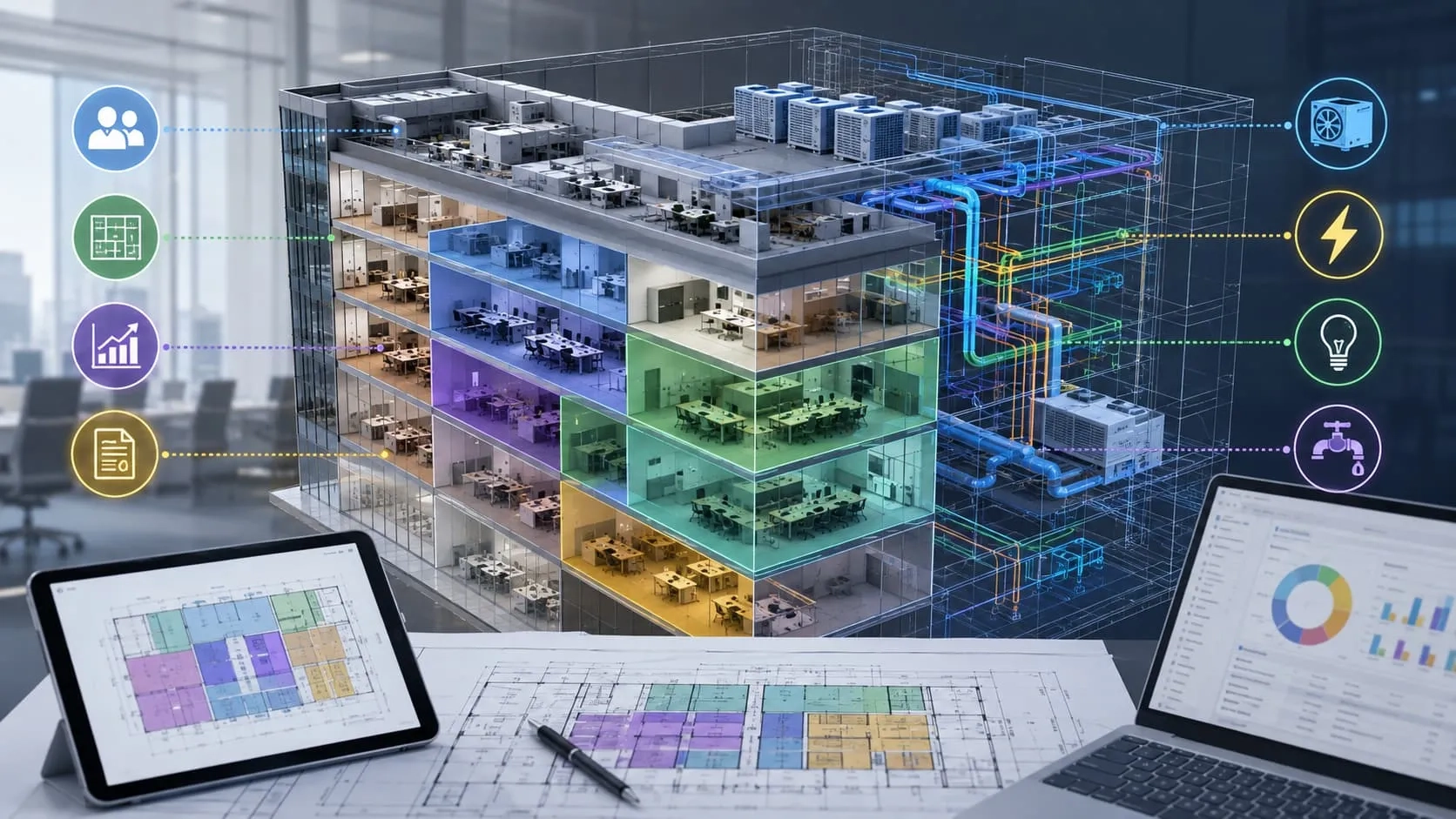
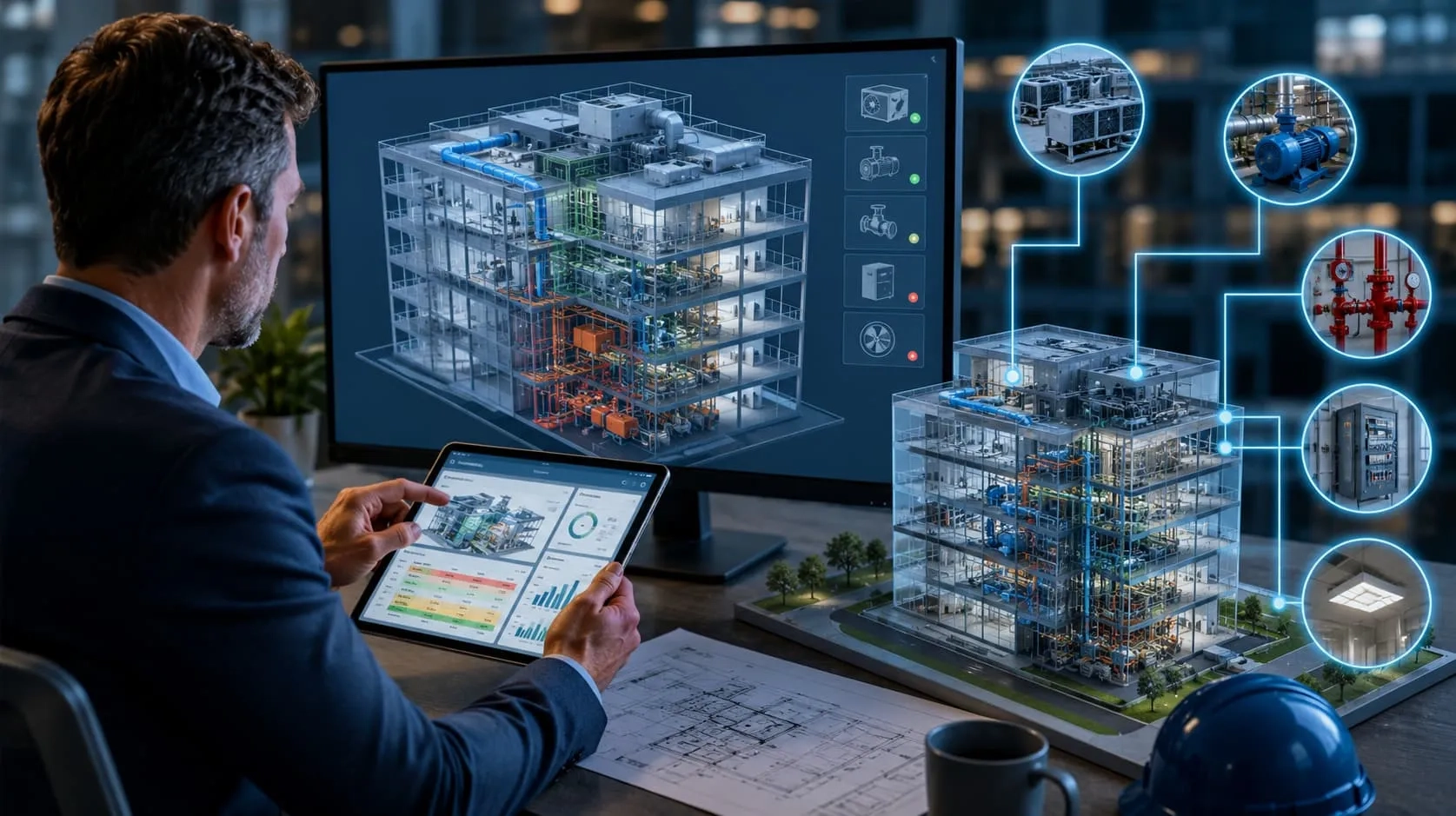
Many construction problems don’t come from poor design—they come from the gap between what was planned and what actually got built. On-site changes are inevitable: elements get relocated, materials are substituted, and designs are adjusted to fit real conditions. But without accurate records of these changes, projects face costly issues later in maintenance, renovation, or facility management. That’s exactly where as built drawings become critical—they capture the reality of construction, not just the intention.
What Are As Built Drawings?
As built drawings are updated versions of the original design documents that reflect the actual conditions of a project after construction. Instead of showing what was planned, they capture what was truly built on site, including any changes made during execution. These drawings can be updated continuously throughout construction or compiled at the end of the project.

Key characteristics
As built drawings clearly show deviations from the original design, making them a reliable record of reality. They typically include accurate information about dimensions, locations, and materials used. In many cases, they are created by marking up construction drawings with revisions, notes, and adjustments recorded during the building process.
When they are created
As built drawings are often developed during construction through ongoing updates, especially on complex projects where changes happen frequently. They are then reviewed, finalized, and handed over at project completion, becoming an essential reference for future operations, maintenance, and renovations.
Why As Built Drawings Matter
As built drawings are more than just final documentation—they are a critical asset throughout the entire lifecycle of a building or infrastructure project. From daily operations to future upgrades, having accurate records of what was actually built can save time, reduce risk, and prevent costly mistakes.
Facility management & maintenance
With precise as built drawings, maintenance teams can quickly understand the real layout of systems and components. This makes repairs easier and significantly speeds up troubleshooting, especially for complex MEP systems where hidden elements are difficult to locate.
Renovation & future expansion
When it comes to upgrading or expanding a facility, relying on outdated or inaccurate drawings can lead to major rework. As built drawings help teams avoid unexpected issues by providing a clear picture of existing conditions, reducing uncertainty and minimizing risk during redesign.
Legal & compliance
As built drawings serve as an official record of what was actually delivered on-site. They are essential for verifying contract compliance and can be crucial in resolving disputes between stakeholders, contractors, and owners.
Cost impact
Accurate as built documentation reduces the time spent investigating existing conditions and prevents errors caused by incorrect assumptions. The result is fewer delays, lower repair costs, and better overall project efficiency.
Read more: Construction drawings vs shop drawings vs as-built drawings: The main differences and their roles in a construction project
Real Examples of As Built Drawings in Practice
In reality, no construction project is built exactly as designed. On-site conditions, coordination issues, and practical constraints almost always lead to changes. That’s why as built drawings are essential—they capture these real-world adjustments accurately.
MEP system changes
Mechanical, electrical, and plumbing (MEP) systems are among the most frequently adjusted during construction. For example, pipes may be rerouted to avoid clashes with structural elements or other services. Similarly, duct sizes might be modified during installation due to space limitations or performance requirements. Without proper updates in as built drawings, these changes can cause major confusion during maintenance.
Structural adjustments
Even structural components are not immune to change. Beam positions may be slightly shifted to accommodate unforeseen site conditions, or foundation depths may be adjusted based on actual soil conditions encountered during construction. These modifications must be accurately recorded to ensure safety and reliability in future work.
Architectural updates
Architectural elements often change to meet client requests or on-site realities. Doors and windows might be relocated, and materials may be substituted due to availability or cost considerations. These seemingly small changes can have significant implications if not documented properly.
👉 Insight: Almost every construction project involves changes—sometimes minor, sometimes critical. Without as built drawings, teams are left guessing. That’s why they are not optional—they are essential.
Common Mistakes in As Built Drawings
Even though as built drawings are critical, many projects still get them wrong. The result? Documents that exist—but are unreliable, incomplete, and nearly useless in practice.
Not updated during construction
One of the most common mistakes is treating as built drawings as a task to be done at the end. When updates are not recorded continuously during construction, important changes get lost or forgotten, leading to incomplete and inaccurate documentation.
Missing MEP changes
MEP systems change frequently on-site, yet they are often the least documented. Missing pipe reroutes, duct adjustments, or cable changes can create major issues later, especially during maintenance or troubleshooting. This is one of the biggest problems in real projects.
Poor documentation
Relying on handwritten notes, scattered markups, or inconsistent formats makes as built drawings difficult to understand and use. Without a clear and standardized approach, the information becomes fragmented and unreliable.
Lack of coordination
Different teams updating drawings independently often leads to conflicting information. Without proper coordination between disciplines, the final as built set may contain inconsistencies that reduce its value.
No digital integration
When as built drawings are stored in disconnected files without integration into a digital system, they become hard to access, update, and reuse. This limits their usefulness for long-term operations and asset management.
How BIM Improves As Built Drawings
Traditional as built drawings often fall short—they are static, difficult to update, and quickly become outdated. In contrast, Building Information Modeling (BIM) transforms as built documentation into a dynamic, accurate, and continuously usable digital asset. Instead of simply recording what was built, BIM enables teams to capture, manage, and leverage real-world data throughout the entire project lifecycle.
Scan to BIM – capturing reality with precision
One of the biggest challenges in creating reliable as built drawings is accuracy. With laser scanning technology, millions of data points (point clouds) are captured directly from the site, reflecting actual conditions down to millimeter-level precision.
This data is then converted into a BIM model, ensuring that:
- Every element is positioned correctly
- Hidden systems (MEP, structure) are accurately represented
- No critical detail is lost or assumed
👉 The result: as built models you can trust, not approximate drawings.
Real-time updates – no more “end-of-project rush”
In traditional workflows, as built drawings are often compiled at the end—when information is already missing or inconsistent. BIM changes this by enabling real-time updates during construction.
- Site changes are recorded immediately
- Models are updated continuously
- Teams always work with the latest version
👉 This eliminates the risk of forgotten changes and ensures the final as built model is complete and up-to-date.
Clash detection & validation – ensuring consistency across disciplines
One of the biggest issues with as built drawings is inconsistency between disciplines. BIM solves this through automated clash detection and model validation.
- Detect conflicts between MEP, structure, and architecture
- Validate data against design intent and standards
- Ensure all updates are coordinated
👉 This creates a single source of truth, where all stakeholders rely on the same accurate data.
Digital twin & asset management – value beyond construction
With BIM, as built data doesn’t stop at project handover. Instead, it becomes the foundation for a digital twin, supporting long-term operations.
- Facility management and maintenance
- Asset tracking and lifecycle management
- Future renovations and expansions
👉 Instead of static drawings, owners get a living model that continues to deliver value for years.
💡 From As Built Drawings to Digital Assets with Harmony AT
At this point, the difference is clear:
Traditional as built drawings document the past—
BIM-based as built models unlock the future.
That’s where Harmony AT comes in.
With deep expertise in BIM for construction and infrastructure, Harmony AT provides:
- Scan to BIM services for highly accurate existing condition modeling
- As built BIM modeling aligned with real construction data
- Clash detection & BIM coordination to ensure consistency
- Digital twin solutions for long-term asset management
By combining advanced technology with practical project experience, Harmony AT helps clients move beyond traditional documentation and turn as built data into a powerful digital foundation for operation, maintenance, and future development.
👉 Insight: BIM doesn’t just improve as built drawings—it transforms them into a living digital asset that drives efficiency, reduces risk, and creates long-term value.
Conclusion
As built drawings are not just a final step in construction—they are the foundation for everything that comes next. From maintenance and renovation to long-term asset management, their accuracy directly impacts cost, efficiency, and risk.
However, traditional approaches often fall short, leading to incomplete or outdated information. By adopting BIM, companies can move beyond static documentation and turn as built drawings into reliable, data-driven digital assets that continue to create value long after construction is complete.
With the right approach—and the right partner like Harmony AT—as built documentation becomes more than a record. It becomes a strategic advantage for managing and optimizing your built environment.
Categories