Deep underground mining pushes engineering to its limits, with harsh geology, tight spaces, and constant safety risks. In these challenging environments, traditional 2D methods simply can’t keep up. That’s why more mining enterprises are turning to BIM—a smarter, more integrated way to design, plan, and manage underground projects. BIM doesn’t just visualize tunnels; it predicts risks, enhances coordination, and boosts efficiency from concept to operation. This article reveals how BIM is transforming deep underground mining, making every project safer, clearer, and more cost-effective.
Key challenges in deep underground mining
Deep underground mining is among the most complex and high-risk sectors in the extractive industry, where every design choice, engineering decision, and construction activity directly influences safety, cost, and operational success. Mining enterprises must navigate a range of interconnected challenges that demand precision, coordination, and continuous monitoring.
Workplace safety – risks that never disappear
Mining deep below the surface exposes workers to some of the harshest conditions in the industry. Tunnel collapses, rockfalls, explosive gases, unpredictable geology, high temperatures, poor ventilation, and limited visibility all create an environment where danger is constant.
Maintaining safety requires strict procedures, real-time monitoring, advanced protective gear, and the ability to predict geological behavior with high accuracy. However, traditional tools and fragmented data make it difficult to manage these risks proactively.
Design and construction management – complex and fragmented coordination
Underground mining projects often rely on 2D drawings and disconnected information sources, making it challenging for teams to visualize spatial relationships or detect conflicts early.
As a result, communication gaps between design, operations, geotechnical engineering, MEP systems, and safety departments become more common—especially in projects with multilayered shafts, long tunnel networks, and dense infrastructure.
These coordination issues frequently lead to design inconsistencies, errors during construction, and costly schedule disruptions.
Costs and schedule – high probability of overruns
Any design flaw or unexpected geological condition can trigger major changes during construction, increasing costs and delaying timelines. Without an integrated project management ecosystem, teams struggle to accurately track excavation quantities, material usage, equipment allocation, and workforce planning.
This lack of visibility often leads to resource waste, inefficient operations, and reduced overall project profitability.
Environmental challenges – demanding and highly regulated
Deep underground mines must control groundwater seepage, toxic gases, thermal loads, dust levels, and ventilation to ensure safe and stable operations. Poorly managed environmental conditions can compromise worker health, increase accident risks, cause unplanned shutdowns, and potentially damage the surrounding ecosystem.
In a sector where environmental compliance is becoming increasingly strict, mining enterprises must adopt more advanced tools to monitor, analyze, and manage these critical factors.
The role of BIM in deep underground mining
Deep underground mining involves working in highly constrained environments with complex geological behavior, limited visibility, and strict safety requirements. Traditional 2D drawings are no longer sufficient for managing the scale, depth, and risks of modern mineral extraction. BIM introduces a data-driven, three-dimensional approach that improves design accuracy, team coordination, safety, and long-term operations.
Enhancing geological understanding and planning
BIM brings geological data—such as drilling logs, rock mass classifications, geotechnical surveys, and laser scan results—into a unified 3D environment. Engineers can visualize subsurface conditions with far greater clarity, including fault lines, water-bearing zones, weak soil layers, and pressure points that may affect excavation.
This helps teams identify unstable areas early, optimize tunnel alignments, plan safer excavation sequences, and reduce uncertainty in complex geological formations.
Improving design accuracy and multidisciplinary coordination
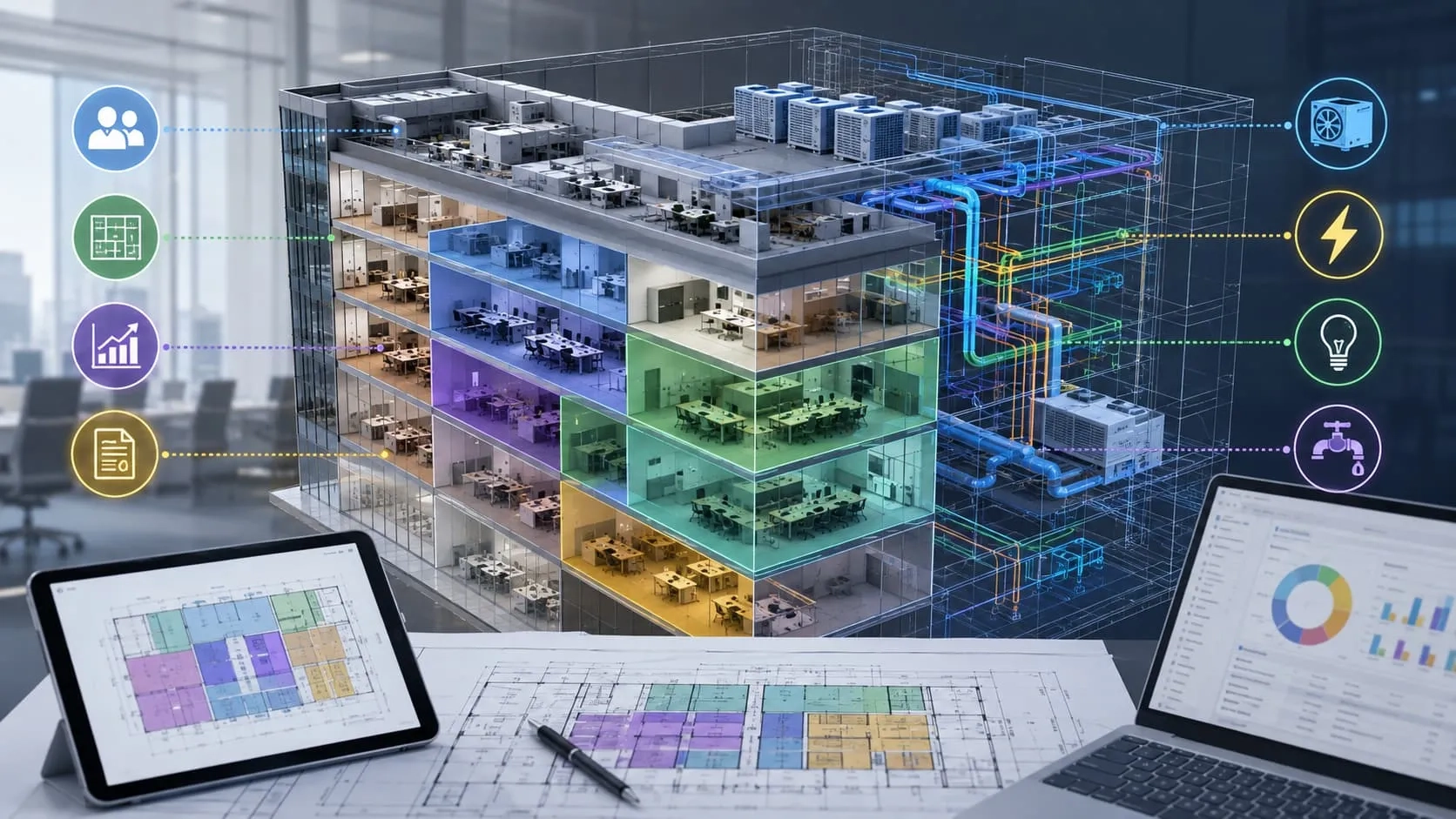
Underground mining requires close collaboration among geotechnical engineers, structural designers, ventilation specialists, MEP teams, and safety departments. BIM centralizes all design information so every discipline works on the same updated model.
Teams can model tunnels, shafts, chambers, ventilation routes, pipelines, cable trays, pumps, and equipment paths with high precision. This reduces misunderstandings, avoids design conflicts, and ensures consistent design decisions across all departments.
Strengthening safety and risk management
Safety challenges such as rockfalls, gas hazards, water intrusion, and limited escape routes demand accurate planning. BIM enhances safety by enabling automated clash detection, simulation of excavation sequences, and visualization of emergency routes.
By predicting risks before construction, project teams can reduce accidents, comply with safety regulations, and create safer working environments for miners.
Optimizing excavation, construction, and resource management
BIM supports planning for excavation volumes, equipment deployment, and material transport. With accurate modeling, teams can optimize drilling and blasting schedules, coordinate ventilation and dewatering systems, reduce rework, and streamline construction workflows. This leads to faster progress, lower costs, and more efficient use of machinery and manpower.
Supporting maintenance and long-term operations
After construction, BIM continues to serve as a reliable database containing accurate as-built information for the entire mine. It supports routine inspections, maintenance planning, equipment tracking, and the management of ventilation or drainage systems. Maintaining an updated BIM model helps operators improve long-term safety, performance, and operational stability.
Enabling digital twins for real-time mine management
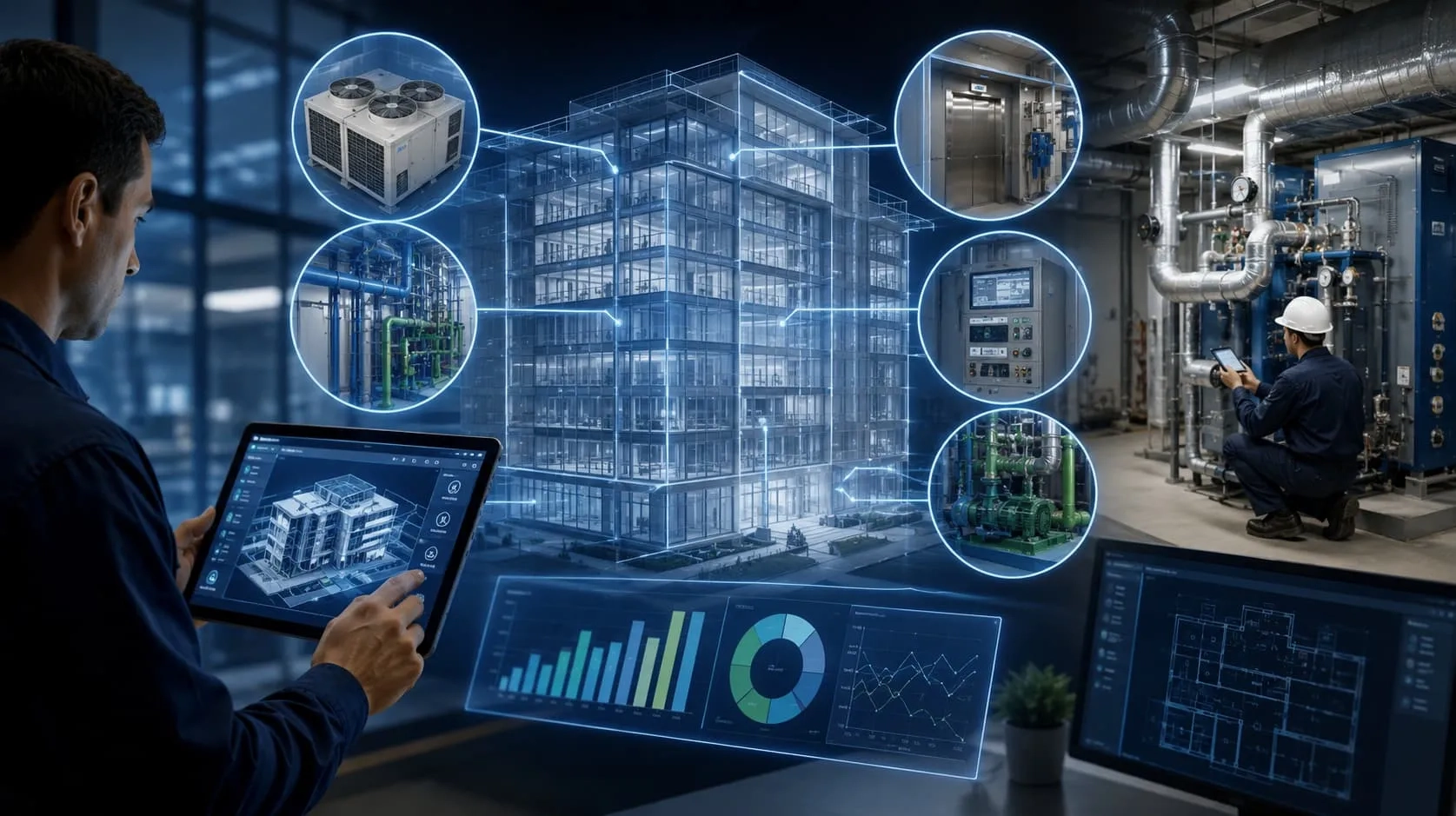
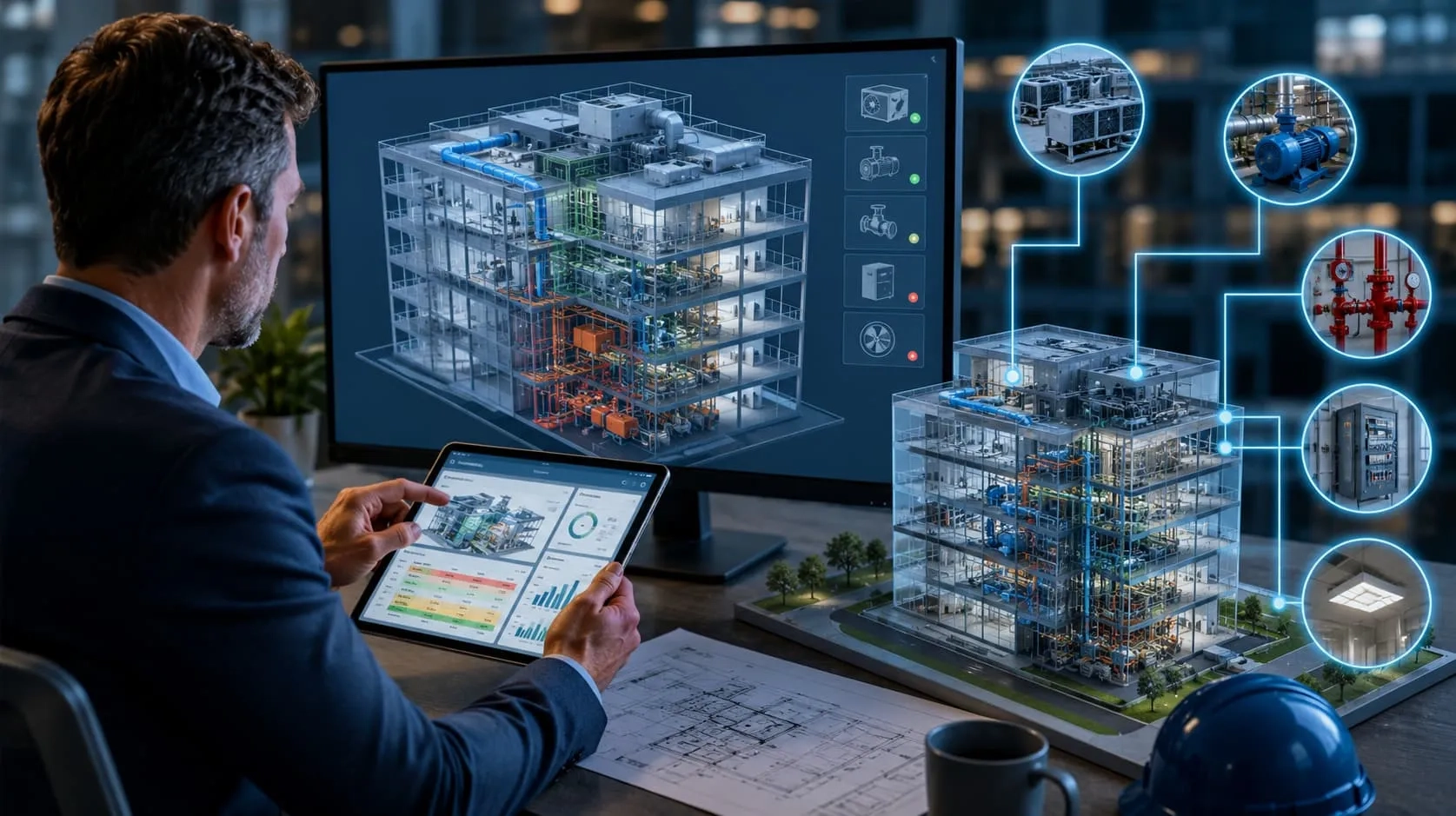
When BIM is connected with sensors and real-time monitoring systems, it becomes a digital twin of the underground mine. This allows teams to track ground movement, gas levels, airflow, equipment conditions, and energy usage in real time. Digital twins enable predictive maintenance, faster decision-making, and safer, more efficient mining operations.
One of the most notable applications of BIM in Vietnam’s mining sector is the deep shaft expansion at the Vàng Danh coal mine in Uông Bí, Quảng Ninh. This project reaches a depth of –175 meters and carries a total investment of nearly 7,000 billion VND—a scale that demands absolute precision and safety.
During the basic design phase, Harmony AT implemented BIM to build an accurate 3D model of the shaft system, integrate geotechnical data, and identify potential design conflicts early. By visualizing the underground space in detail, engineers were able to optimize the shaft layout, ventilation pathways, equipment positioning, and safety planning long before construction began.
This BIM-driven approach not only improved design quality but also helped reduce risks, enhance coordination between disciplines, and lay a stronger technical foundation for one of Vietnam’s most complex underground mining projects.
Let Harmony AT support your deep underground mining project with a fully integrated BIM solution—from accurate 3D design and operational safety simulations to material management, scheduling, and Digital Twin integration. Contact us today to enhance efficiency, improve safety, and reduce costs for your mining operations.
Categories